Regions of Leonida in GTA 6
GTA 6 is set in the state of Leonida, a fictional Florida. Here is what the state is made of, what is known for certain, and what still rests on trailer analysis.
What is officially confirmed
Rockstar has confirmed a release on 19 November 2026 for PlayStation 5 and Xbox Series X|S, with no PC version at launch. The protagonists are Jason and Lucia, and the game is set in the state of Leonida, centred on Vice City — the return of the city from GTA Vice City.
Take-Two has said an online component should not be expected at launch, as the studio is focused on the single-player campaign. For collectible hunters that is good news: completing the game to one hundred percent stays the main long-term activity.
On scale, Rockstar North co-head Rob Nelson told preview guests at the studio that the map is roughly twice the size of GTA 5’s and three times the size of Red Dead Redemption 2’s, with Vice City alone about twice the size of Los Santos. As with RDR 2, Rockstar is keeping the full state map under wraps until launch, so everyone’s region borders, ours included, are estimates for now. For collecting, the takeaway is simple: there will be a lot of items, and one flat list will stop being practical — hence the region filters.
Seven regions
Rockstar named the six regions below; the seventh, Vice Beach, we carved out of Vice City. There is no official map with borders, so the borders on our map are an estimate from trailers and screenshots. Our map filters follow this split.
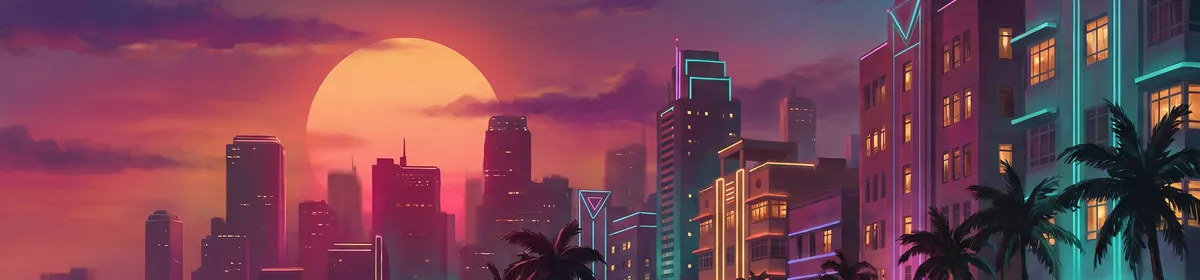
Vice City
The main city, a fictional Miami. Dense blocks, waterfronts, towers. This is where marker density will be highest: alley stashes, rooftops, parking garages.
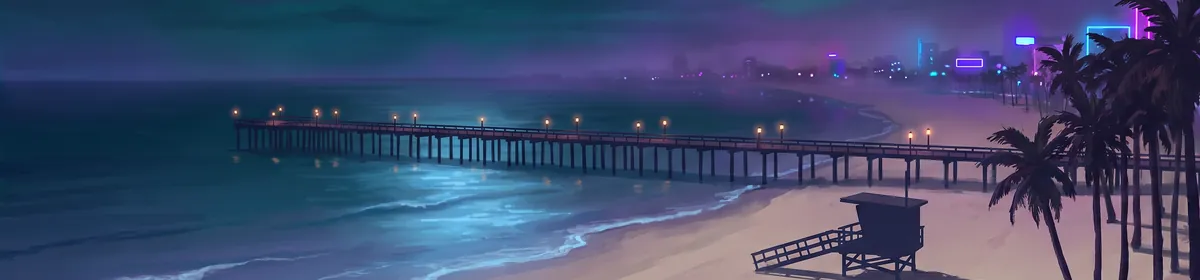
Vice Beach
The beach strip east of the city. Piers, boardwalk, lifeguard towers. Expect collectibles tied to water and low tide.
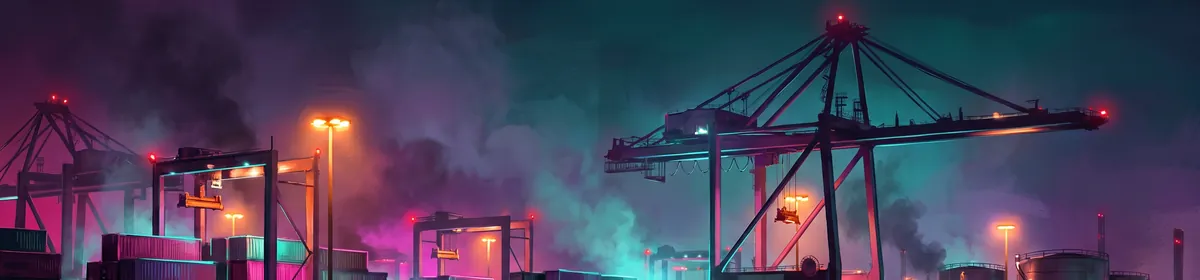
Port Gellhorn
A once-touristy west coast that time forgot: cheap motels, closed attractions, empty malls, a trailer park next to the industrial yards. The community reads Panama City as its real-world basis.
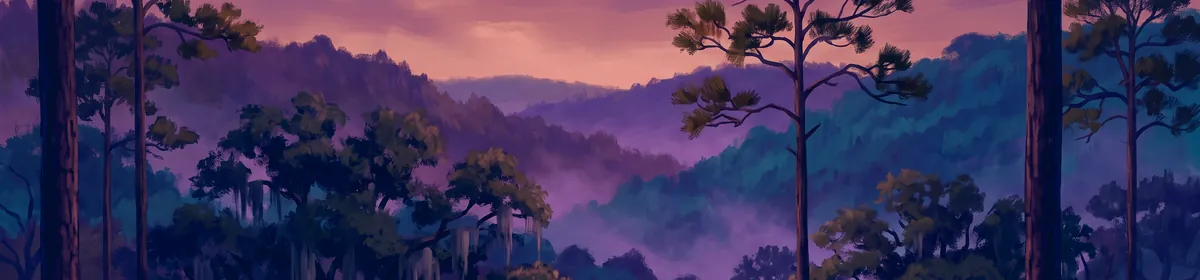
Mount Kalaga
A national park in the north of the state, officially named. Hunting, fishing, off-road trails and recluses in the backwoods. Typically the home of viewpoints and items you have to walk to.
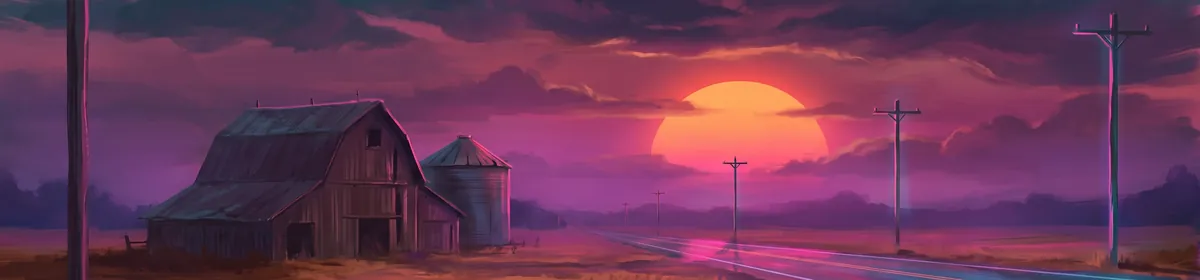
Ambrosia
A blue-collar town inland: an oil refinery, biker gangs, highways and farmland around it. A classic home for rare vehicles.
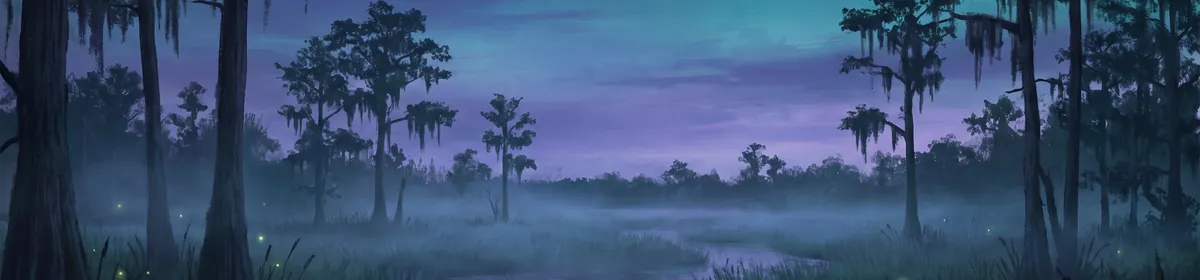
Grassrivers
The Everglades analogue: channels, hummocks, airboats. Almost always where the hardest-to-reach items are hidden — the ones that need a vehicle.
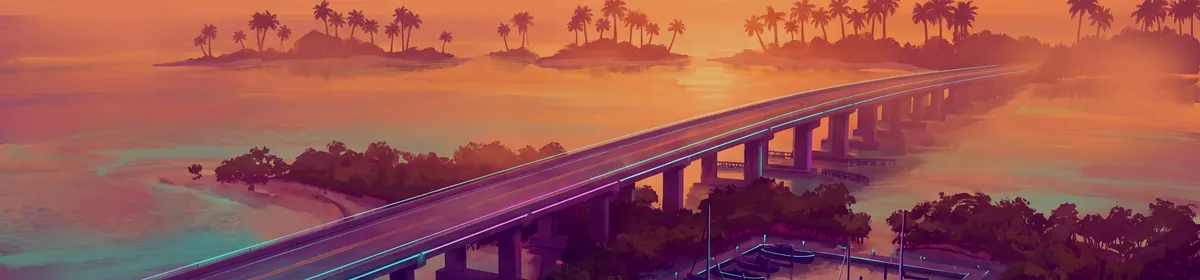
Leonida Keys
The southern island chain, a fictional Florida Keys. Bridges, marinas, shallows. Expect underwater points and everything boat-related.
Why the region matters more than it looks
Once there are hundreds of items, "show all stashes" stops being a useful command. A player is in one place and wants to know what to collect here, not in general. That is why the region filter sits next to the category filter, and why progress is counted per region: not just "12 of 60" but "Vice City 3 of 12".
Region matters for secrets too: on top of a place they carry a condition — an hour of the night or the weather — and without a region such a marker is impossible to find again later. The same split drives our data collection sheet: every find is tied to a region on entry, otherwise the database turns to mush within a week of launch.
What will change after launch
Plenty. Some regions will be renamed, some borders will move, districts nobody knows about yet will appear. We built for that: categories and regions are one line of configuration, and point coordinates are stored twice — in game units and in screen units — so swapping the base map for the real one moves no markers at all.
Region pages
Each region has a page of its own: where Rockstar hides items in ground like that, what will not open straight away, and how to filter the map down to it.
- Vice City collectibles — dense blocks, rooftops, underground parking
- Vice Beach collectibles — sand, piers, finds just off the shore
- Port Gellhorn collectibles — motels, industrial yards, closed attractions
- Mount Kalaga collectibles — forest, hills, viewpoints
- Ambrosia collectibles — refinery, highways, rare vehicles
- Leonida Keys collectibles — bridges, marinas, the seabed between islands
- Grassrivers collectibles — channels, shacks, the hardest to reach